What to Do with a Vacant Property You Have Inherited
Inheriting a home is one of those life events that carries both emotional weight and practical complexity. On one hand, there is the loss of a loved one. On the other, there is a property that now belongs to you, and it needs decisions made about its future.
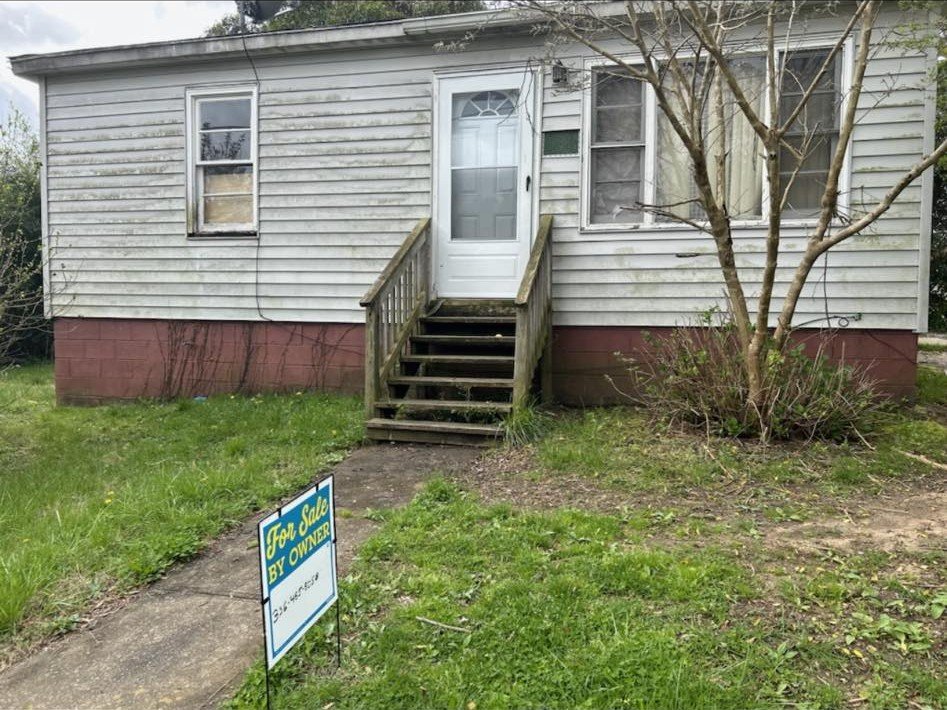
If the property is sitting vacant, those decisions become more urgent than you might expect. Every month that a house sits empty, it costs you money and creates risk. This guide will help you understand what you are dealing with, what your options are, and how to choose the path that makes the most sense for your situation.
The Emotional Side Comes First
Before diving into the financial details, it is worth acknowledging that inherited properties come with feelings attached. This may have been a family home where holidays were spent and memories were made. The idea of selling it can feel like letting go of something important.
That is completely normal, and there is no rush to make a decision while you are still processing a loss. Take the time you need. But also recognize that holding onto a property purely for sentimental reasons, especially one you cannot use or maintain, can create a burden that does not serve you or honor the person who left it to you.
When you are ready to think practically, the information below will be here.
The Hidden Costs of Holding a Vacant Property
Many people assume that a vacant house just sits there quietly, not costing anything. In reality, the expenses start adding up from day one.
Property taxes do not stop just because no one lives there. Neither do insurance premiums, which often increase for vacant properties because insurers consider them higher risk for vandalism, weather damage, and liability claims.
Utilities may still need to run to prevent damage from storms and humidity in North Carolina. Lawn care and basic maintenance are necessary to avoid code violations and neighborhood complaints. And if something breaks -- a roof leak, a burst pipe, a pest infestation -- you are responsible for fixing it, even if no one is living there to notice right away.
On average, holding a vacant property in North Carolina can cost between $500 and $1,500 per month when you factor in taxes, insurance, utilities, and maintenance. Over a year, that is $6,000 to $18,000 coming out of your pocket with no income to offset it.
Your Three Main Options
When it comes to an inherited vacant property, you generally have three paths forward. Each has its own set of trade-offs.
Option 1: Rent It Out
Turning the property into a rental can generate ongoing income and let you hold onto the asset. If the home is in a desirable area and in good condition, this can be a solid long-term strategy.
Pros:
- Monthly rental income
- Property may appreciate over time
- You maintain ownership of the asset
Cons:
- Upfront investment to make the home rent-ready (repairs, cleaning, updates)
- Ongoing landlord responsibilities or property management fees
- Risk of problem tenants and vacancies
- You take on the role of landlord, which may not suit your lifestyle
This option works best if you are prepared for the time, money, and effort that comes with being a landlord, or if you are willing to hire a management company and accept the reduced returns.
Option 2: Sell Through a Traditional Listing
Listing the property with a real estate agent and selling on the open market can potentially get you the highest sale price. If the home is in good shape and you are not in a rush, this is worth considering.
Pros:
- Potentially higher sale price
- Agent handles marketing and showings
- Broad exposure to buyers
Cons:
- Agent commissions typically run 5 to 6 percent of the sale price
- You may need to invest in repairs, cleaning, and staging before listing
- The process can take 3 to 6 months or longer
- Buyers may request further concessions after inspection
- You continue paying holding costs throughout the listing period
This path makes sense if the property is in solid condition, you have the budget for pre-sale improvements, and you can afford to wait for the right buyer.
Option 3: Sell Directly to a Real Estate Investor
Selling to a company that buys houses directly, like RMBM Inc, is the fastest and simplest option. Investors purchase properties as-is, which means you do not need to spend money on repairs or worry about showings and open houses.
Pros:
- Close in as little as 7 to 14 days
- No repairs, cleaning, or staging required
- No agent commissions or hidden fees
- Certainty of sale (no financing contingencies)
- You choose the closing date
Cons:
- The offer may be below full retail market value
- Less competitive bidding compared to the open market
For many people inheriting a vacant property, this is the most practical choice. It eliminates the holding costs, removes the management burden, and puts cash in your hands quickly so you can move forward.
Why Selling to an Investor Is Often the Simplest Path
When you inherit a property you did not plan for, the last thing you want is another project to manage. Traditional sales require time, money, and attention. Renting requires even more of all three, plus a long-term commitment.
Selling directly to an investor lets you:
- Skip the repairs. Inherited homes often need work, sometimes significant work. An investor buys the property in its current condition, no matter what shape it is in.
- Avoid the waiting game. No listing period, no open houses, no wondering when an offer will come.
- Eliminate surprise costs. No commissions, no closing fees, no post-inspection renegotiations.
- Close on your schedule. Whether you need to wrap things up in a week or prefer to take a month, you set the timeline.
This does not mean it is the right choice for everyone. But for property owners who want simplicity, speed, and certainty, it is hard to beat.
Making Your Decision
There is no universally correct answer here. The right move depends on your financial situation, your timeline, your willingness to take on a landlord role, and your personal connection to the property.
If you are unsure, a good starting point is to get a professional assessment of the property's value and condition. That gives you a baseline for comparing your options.
At RMBM Inc, we offer free, no-obligation property evaluations for inherited homes across North Carolina. We will give you an honest assessment and a fair cash offer, and there is absolutely no pressure to accept.
Dealing with an inherited property you are not sure what to do with? Reach out to our team and we will help you understand your options. Sometimes a quick conversation is all it takes to find clarity.

